
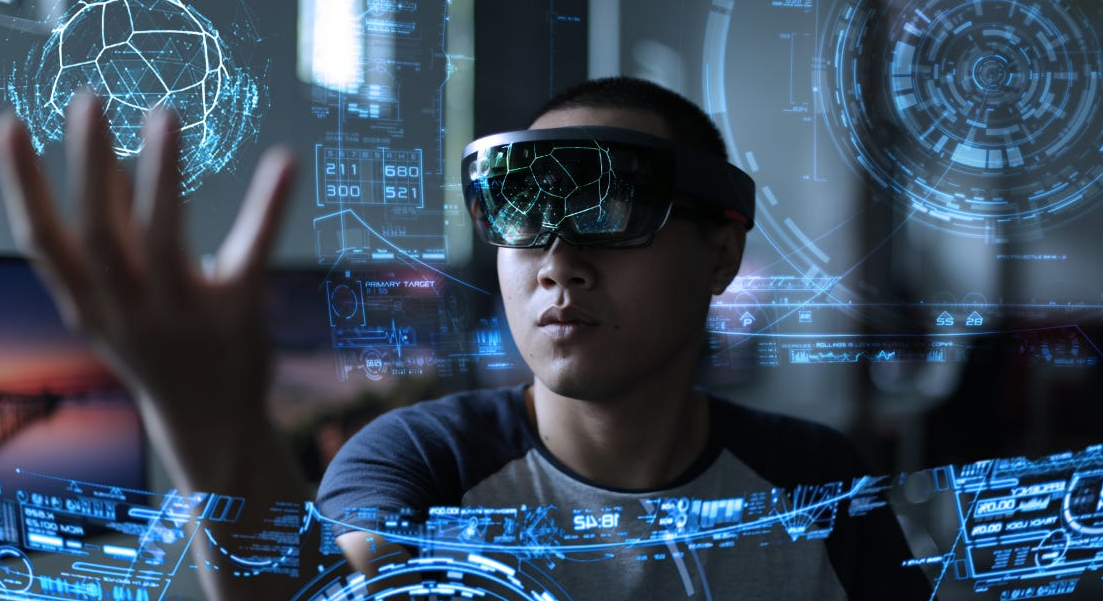
The Future of UX Technology
The future of UX technology is increasingly shaped by emerging trends in artificial intelligence, immersive experiences, and voice interaction. These developments promise to enhance user engagement through tailored experiences and intuitive interfaces. However, the implications of these advancements on user satisfaction and design processes remain to be fully understood. As these technologies evolve, they may redefine the very essence of user experience, raising critical questions about their impact and potential challenges.
The Rise of Artificial Intelligence in UX Design
As the digital landscape evolves, the integration of artificial intelligence (AI) into UX design has become increasingly prominent, transforming how designers approach user interactions.
This shift facilitates design automation, allowing for personalized experiences that cater to individual preferences.
However, the rise of AI also necessitates a careful examination of AI ethics, ensuring that user autonomy and privacy remain at the forefront of design strategies.
See also: The Future of Insurance Technology
Immersive Experiences: The Role of Virtual and Augmented Reality
The incorporation of immersive technologies such as virtual reality (VR) and augmented reality (AR) is reshaping the UX landscape, offering users unparalleled interactivity and engagement.
These innovations facilitate rich virtual environments and dynamic augmented interfaces, allowing users to explore and manipulate content in ways that were previously unimaginable.
As a result, UX design becomes more intuitive, enhancing user satisfaction and fostering deeper emotional connections.
Voice Interaction: Shaping the Future of User Interfaces
An increasing number of users are embracing voice interaction as a primary method for engaging with technology, fundamentally transforming user interfaces.
Voice assistants and conversational interfaces are becoming pivotal in enhancing user experiences, allowing for seamless and intuitive interactions.
This shift not only empowers users to communicate naturally but also fosters a sense of autonomy, reshaping how individuals navigate and control their digital environments.
Personalization and Predictive Analytics in User Experience
Voice interaction has paved the way for a deeper understanding of user preferences and behaviors, setting the stage for advancements in personalization and predictive analytics within user experience design.
By leveraging behavioral insights, designers can implement data-driven design strategies that anticipate user needs, enhancing engagement and satisfaction.
This approach empowers users, fostering a tailored experience that aligns with their individual preferences and autonomy.
Conclusion
In conclusion, the future of UX technology will be defined by the integration of artificial intelligence, immersive experiences, and voice interaction. As these elements converge, they will create a user-centric landscape that prioritizes personalization and intuitive design. By leveraging predictive analytics alongside virtual and augmented realities, designers can craft environments that not only meet but anticipate user needs, ultimately enhancing engagement and satisfaction. This evolution represents a pivotal shift towards more meaningful and emotionally resonant digital experiences.